Movies

HomeMoviesSearchTV SeriesBookmarksView Source
Narcotic Deaths
Narcotic Deaths

Narcotic Deaths

Forensic Medicine Outlines

Genres

Documentary

OverView

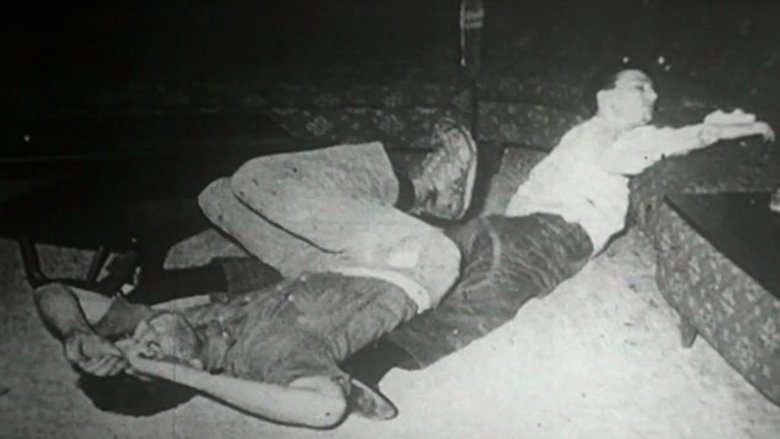
The purpose of this presentation is to discuss the types of narcotic deaths and drugs encountered by Dr. Milton Helpern in his post as Chief Medical Examiner for New York City and to describe internal and external body changes resulting from narcotism. This objective is achieved with the use of photographs of overdose victims and the equipment found and used by addicts. According to this presentation narcotic addiction which has been a problem for many years has increased markedly within the last twenty years. The use of amphetamines and marijuana is discussed briefly and the equipment used by addicts is described and illustrated. Dr. Helpern then shows photographs of overdose victims and describes the circumstances under which the body was found.

Others

Budget

$--

Revenue

$--

Status

Released

Original Language

English

Runtime

48 mins

Rating

0/10

Release Date

23 January 1970

Country

Cast

Dr. Milton Helpern

Dr. Milton Helpern

Similar Movies

7.0

Life of Crime 2

December 1998 •English

This follow-up to the 1989 documentary ONE YEAR IN A LIFE OF CRIME revisits three of the original subjects in New Jersey during a five-year period in the 1990s. We share in their triumphs and setbacks as they navigate lives of poverty, drug abuse, AIDS, and petty crime.

4.5

Faces of Death

November 1978 •English

A collection of death scenes, ranging from TV-material to home-made super-8 movies. The common factor is death by some means.

5.0

Run for Your Life!

April 2008 •German

He lived the junkie's life as a heroin addict. Triathlon transformed him. Biopic of the record breaking Ironman Andreas Niedrig.

0.0

Parks and People: Dope

January 1970 •English

The transcript discusses the prevalent drug culture, particularly marijuana use, among youth in national parks. It highlights the perception that marijuana is less harmful than harder drugs and reflects on the challenges park rangers face in enforcing drug laws. While acknowledging the existence of drug trafficking, the narrative emphasizes that marijuana use is often seen as a minor issue compared to alcohol consumption or harder narcotics. The conversation also touches on the need for a more nuanced understanding of drug use, suggesting that current laws may be overly stringent and not reflective of societal attitudes.

7.4

Jim Morrison: The End

July 2021 •French

Paris, Rue Beautreillis, July 3, 1971. The corpse of rock star Jim Morrison is found in a bathtub, in the apartment of his girlfriend Pamela Courson. The chronicle of the last months of the life of the poet, singer and charismatic leader of the American band The Doors, one of the most influential in the history of rock.

6.7

Dig!

May 2004 •English

A documentary on the once promising American rock bands The Brian Jonestown Massacre and The Dandy Warhols. The friendship between respective founders, Anton Newcombe and Courtney Taylor, escalated into bitter rivalry as the Dandy Warhols garnered major international success while the Brian Jonestown Massacre imploded in a haze of drugs.

6.9

Heroin(e)

September 2017 •English

This documentary follows three women — a fire chief, a judge, and a street missionary — as they battle West Virginia's devastating opioid epidemic.

0.0

Rock Bottom: From Hell to Redemption

May 2007 •English

Documentary following Jason Mewes' withdrawal from heroin and his struggle to stay clean.

6.5

Body Without Soul

November 1996 •Czech

A stark documentary about young male prostitutes in Prague, aged 15 to 18, who work the streets, train stations, and clubs. Through candid interviews and behind-the-scenes footage of gay porn shoots, the film explores their lives, struggles, and dreams, touching on themes of exploitation, identity, AIDS, and survival.

6.3

Ben: Diary of a Heroin Addict

December 2008 •English

Ben Rogers was a bright schoolboy from a loving, middle class family. He played in the orchestra, loved cricket and enjoyed the annual family holiday. But his future promise was halted when he started taking drugs in his teens. Early drinking led to cannabis, harder drugs, and then the revelation to his family, at the age of 21, that he was addicted to heroin. Over the next 13 years Ben and his family battled with his addiction, going through detox, rehab and attempts at 'cold turkey', but his health gradually declined. Whilst attempting another detox aged 34, he died from a brain haemorrhage. But during the last two years of his life, Ben filmed an unflinching video diary showing his final desperate attempts to come off heroin. It's a portrayal of his descent; intimate, raw, and at times difficult to watch, he talks to his glove puppet as he injects into a vein in his groin.

4.8

Methadonia

October 2005 •English

Shot over the course of 18 months in New York City's Lower East Side, METHADONIA sheds light on the inherent flaws of legal methadone treatments for heroin addiction by profiling eight addicts, in various stages of recovery and relapse, who attend the New York Center for Addiction Treatment Services (NYCATS).

5.4

Ciao! Manhattan

April 1973 •English

Fiction and documentary mingle in a freewheeling portrait of Susan Superstar, a New York celebrity on a drug-fueled downward slide that mirrors Edie Sedgwick’s own self-destructive spiral.

7.4

Hype!

November 1996 •English

This documentary examines the Seattle scene as it became the focus of a merging of punk rock, heavy metal, and innovation. Building from the grass roots, self-promoted and self-recorded until break-out success of bands like Nirvana brought the record industry to the Pacific Northwest, a phenomenon was born.

0.0

What Did You Take?

January 1971 •English

Stresses recognition and treatment of drug abuse emergencies, accurate identification of symptoms, and immediate clinical procedures. Presents scenes of actual cases in the emergency room and adjoining physician's offices of Beth Israel Medical Center in New York City. Viewers observe emergency treatment of patients in the major classes of drugs commonly abused, opiates, depressants, stimulants, and hallucinogens. The film demonstrates to health professionals that successful management of drug overdoses can save most lives and avert additional organic and psychiatric complications.

6.0

Narcotics, Why Not?

January 1966 •English

This film presents a series of extemporaneous interviews with teenagers and young adults who have taken narcotics for "kicks," "association," or "curiosity." Residents of the California Rehabilitation Center relate how they were introduced to narcotics, why they wished they had not used drugs or narcotics, and what the future holds for them. Film is shot in Hollywood, Calif.

0.0

Slavery In The 70's

January 1972 •English

Heroin anti-drug educational film

0.0

Use Your Eyes

January 1970 •English

“Use Your Eyes” is a police training film produced by the Alhambra Police Department, California, in 1970. It is intended to demonstrate to police officers how to search a residence for evidence of marijuana use, and what rights they have to search the property once certain prima facia evidence is established.

2.0

Autopsy

October 1973 •Spanish

Mondo-style docudrama about a war correspondent who comes back home and has a spiritual crisis about his own mortality. Surreal fantasy sequences are mixed with graphic real autopsy footage.

6.0

Focus On Heroin

January 1971 •English

This film points out the risks of being a heroin addict. Explains that addicts cannot be identified solely with one particular socio-economic level and cannot always be detected by appearance. Addicts and ex-addicts describe the first and subsequent drugs they used.

0.0

Narcotics: A Challenge to Youth

January 1956 •English

An educational film sponsored and distributed by the Los Angeles-based Narcotic Educational Foundation of America and directed by Gilbert Lasky with financial assistance of the Woman’s Relief Corps targets teachers as well as junior and senior high school students in the war on drugs. Narcotics are classified and effects of opiates, stimulants, and barbiturates are summarized and dramatized